Carpet Cleaning Statistics: Market Size, Trends and Growth Outlook
Carpet cleaning statistics reveal a service industry worth billions and still growing. The U.S. floor care sector generated roughly $5.5 billion in revenue in 2024, and global figures are projected to reach $11.6 billion by 2030. If you run a business in this space or market one, these numbers matter. Below you’ll find data on market size, financial benchmarks, demand drivers, and strategies to turn research into results.
Carpet cleaning statistics reveal the latest market size, trends, and growth outlook essential for smarter marketing decisions across Google Ads and SEO campaigns.
By highlighting cost per click, conversion rates, and lead costs, this data-driven overview helps marketers optimize budgets and win more qualified leads in 2026.
Industry Market Size and Growth Forecast
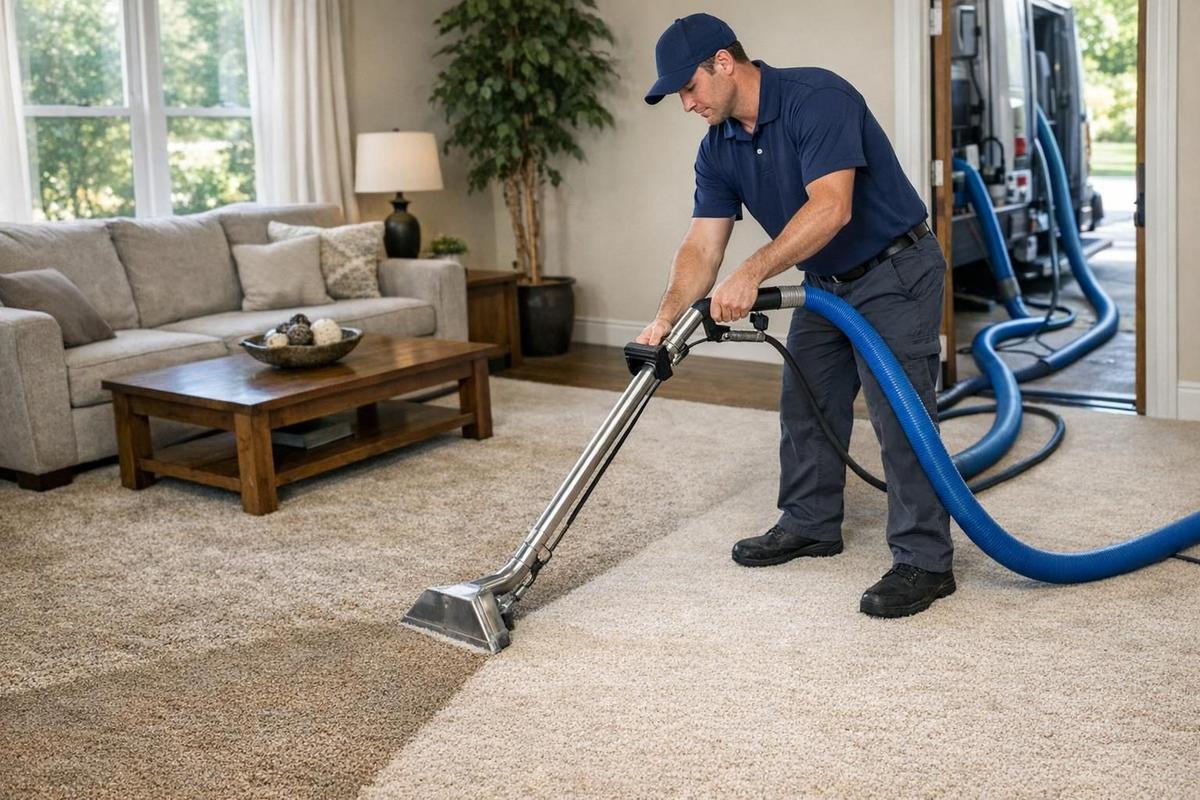
The U.S. service sector for floor and upholstery care brought in approximately $5.5 billion in 2024, according to IBISWorld. Globally, the market was valued at $7.8 billion the same year and is expected to grow at a CAGR of 5.2% through 2030. Residential demand accounts for the largest segment, driven by rising disposable income and growing awareness of indoor air quality.
The Asia Pacific region shows the most rapid expansion, while North America holds the biggest share overall. Commercial demand from hospitality, healthcare, and office buildings adds consistent volume. With moderate growth projected over the next 5 years, both new entrants and established operators have room to scale.
Financial Benchmarks for Paid Advertising
Google Ads cost-per-click for this niche averages $6 to $12, depending on your metro area. Conversion rates sit around 5% to 8% for well-optimized landing pages. That puts cost per lead between $75 and $200 in competitive markets like Houston or Dallas.
Average profit margins range from 25% to 50% for owner-operated businesses, making paid ads viable when you track return on ad spend closely. Retargeting campaigns can increase bookings by up to 70%, so allocating 15% to 20% of your ad budget there often pays off. For help managing campaigns, check out our Google Ads management services.
10 Example Keywords for Houston
- floor care service Houston
- rug shampooing near me
- upholstery restoration Houston TX
- deep steam service Houston
- commercial floor maintenance Houston
- pet stain removal Houston
- eco-friendly fabric care Houston
- same day rug service near me
- affordable floor sanitation Houston
- residential upholstery care Houston TX
SEO Lead Costs and Organic Strategy
Organic leads from search engine optimization cost 40% to 60% less than paid leads over a 12-month period. The tradeoff is time. Most sites need 4 to 8 months of consistent content publishing and link building before ranking on page one for competitive terms.
Local SEO matters here. Businesses with a fully optimized Google Business Profile receive 7x more clicks than those without. Adding location-specific pages, collecting reviews, and maintaining NAP consistency across directories all contribute to visibility. Learn more about our approach on the SEO services page.
Demand Drivers: Methods and Products
Strong demand for eco-friendly and non-toxic solutions is propelling the market forward. Hot water extraction remains the most popular method for residential jobs, while encapsulation and dry foam systems gain ground in commercial settings. Consumers increasingly search for green alternatives, and businesses that highlight these options tend to convert at higher rates.
The product segment, which includes portable extractors, vacuum units, and spot treatment formulas, reached $2.1 billion globally in 2024. Brands like Bissell, Rug Doctor, and Techtronic Industries dominate retail, but professional-grade equipment from smaller manufacturers is carving out a growing niche. This variety of solutions gives operators flexibility when pricing jobs.
Market Research Insights and Industry Trends
Key trends shaping this sector include automation, subscription-based maintenance plans, and the integration of HEPA filtration into portable units. The COVID-19 pandemic accelerated demand for sanitation services across both residential and commercial properties, and much of that elevated demand has held steady.
Indoor air quality concerns continue to drive repeat business. Research shows that professional extraction removes up to 98% of allergens from soft flooring, which appeals to households dealing with asthma or allergies. For a look at how other service industries are performing, see our remodeling industry data or medical spa figures.
Porter’s Five Forces Applied to This Sector
Barriers to entry are low, which keeps the level of competition high. Most operators start with under $10,000 in equipment. Buyer power is moderate because customers can easily switch providers, but brand loyalty builds through quality and convenience. Supplier power stays low since equipment and solutions are widely available. The threat of substitutes, mainly hard flooring installations, represents the biggest long-term risk.
Local Ad Strategies That Convert
Marketing campaigns that combine Google Ads with retargeting and local SEO tend to outperform single-channel efforts by 30% to 50%. Successful operators run geo-targeted ads during peak seasons (spring and fall), use call tracking to measure lead quality, and follow up with email sequences to boost repeat bookings.
Video content showing before-and-after results performs well on social platforms and can be repurposed for landing pages. If you want to dive deeper into promotional tactics for this niche, visit our floor care marketing guide.
Combine Paid and Organic for Best Results
The most effective approach uses paid ads for immediate lead flow while building organic authority over time. Businesses that invest in both channels typically see 25% lower cost per acquisition after 12 months compared to those relying on ads alone.
Carpet cleaning statistics confirm that this industry offers strong margins and steady growth. Whether you’re launching a new operation or scaling an established one, data-driven decisions separate the businesses that thrive from those that stall.
Why Work with BuyerGain
We specialize in digital marketing for service businesses. Our team builds campaigns grounded in real industry data, not guesswork. From ad management to content strategy, we help operators in the floor care space generate more leads at a lower cost. Get in touch to start a conversation.
FAQs: Insights for Smarter Campaigns
What is the forecast for this industry?
The global market is projected to grow at a CAGR of 5.2% through 2030, reaching approximately $11.6 billion. In the U.S., moderate but steady expansion is expected over the next 5 years, driven by residential and commercial demand.
How does rug promotion differ from standard service marketing?
Rug-focused campaigns target homeowners with high-value area rugs who want specialized care. Standard service marketing casts a wider net, emphasizing routine maintenance and stain removal for wall-to-wall flooring.
What market share do commercial services hold?
Commercial accounts make up roughly 35% to 40% of total industry revenue. Hospitality, healthcare, and corporate offices represent the biggest segments within that category.
What role do product mentions play in SEO content?
Referencing well-known brands like Bissell or Rug Doctor helps your pages match search intent for product-related queries. It also builds topical authority and can attract backlinks from review sites.
How can industry data improve my site?
Publishing original research and citing credible sources boosts E-E-A-T signals, which Google rewards with higher rankings. Data-rich pages also earn more shares and links than generic service descriptions.
What impact did COVID-19 have on this sector?
The pandemic initially reduced demand as businesses closed, but it triggered a lasting increase in sanitation awareness. Many operators saw revenue rebound above pre-pandemic levels by 2022, and elevated hygiene expectations continue to support strong demand.