Spray Tanning Statistics: Market Data and Business Benchmarks for 2026
Market Size and Growth: What the Data Shows
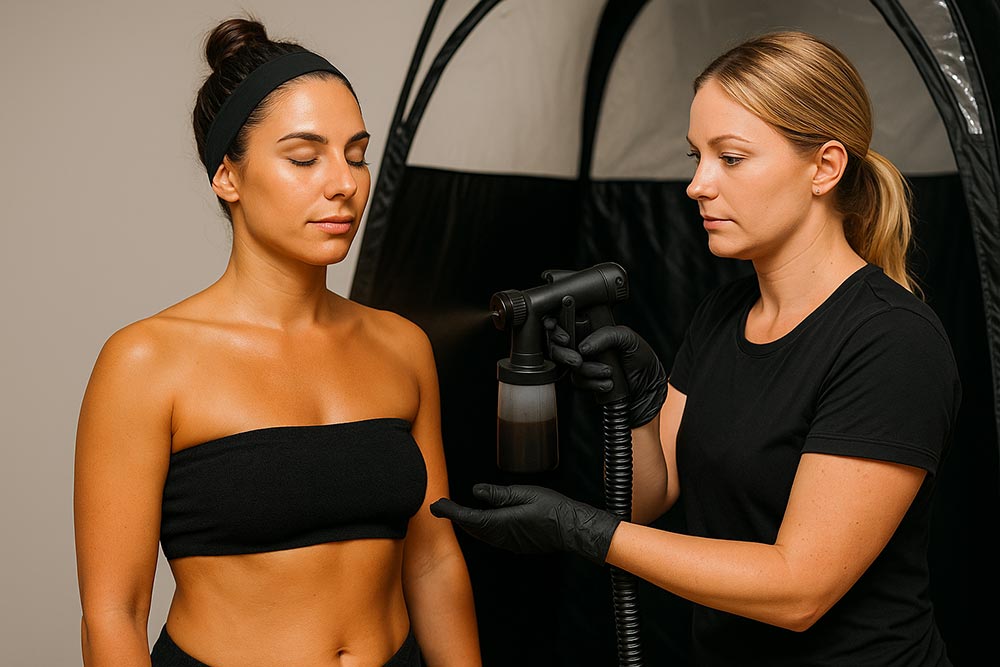
The global spray tanning market size reached $362.2 million in 2024, according to the latest market report from Precision Business Insights. Analysts expect steady gains through 2031 as consumers keep shifting toward sunless methods. The spray tanning market is growing across every channel, not just professional salons.
Get a concise snapshot of 2026 spray tanning market data, benchmarks, and growth drivers to inform strategy and investment decisions.
This data-focused overview highlights market size, consumer trends, pricing, and competitive benchmarks to help salons and suppliers optimize offerings and stay ahead in a competitive landscape.
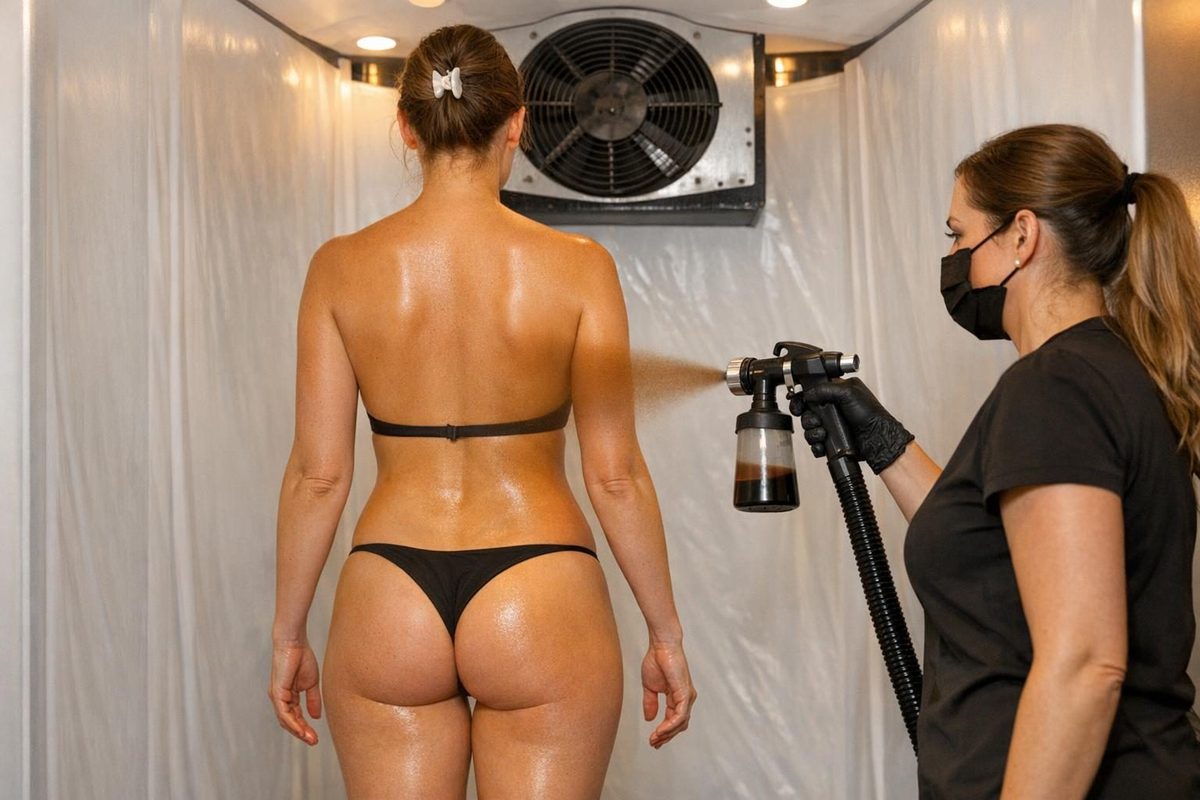
U.S. figures tell an even bigger story. The domestic segment is projected to grow from $0.5 billion in 2024 to $0.9 billion by 2033, reflecting an annual growth rate that outpaces most personal care categories. A separate forecast puts the combined indoor and professional segment at $1.5 billion by that same year. The spray tanning market is expected to keep climbing as long as health organizations keep discouraging tanning bed use.
Self-applied sunless tanning products are growing at roughly 7.2 percent per year. Mousse, drops, and gradual tanners could collectively hit nearly $2 billion worldwide by 2032. Among sunless tanners, brand loyalty develops quickly once a client finds a product that suits their skin tone. That loyalty is a business asset worth protecting.
One mistake I see repeatedly is operators ignoring the retail side. Stocking aftercare items and self-applied lotion tanning products inside your location adds revenue without adding labor. It also keeps clients connected to your brand between appointments.
Consumer Behavior and Spending Data
Most clients pay between $25 and $60 per session. That range covers everything from express airbrush services to custom color-matching with premium solutions. Add-ons like rapid development formulas or bronzing boosters push the average order value higher.
About 50 percent of buyers say platforms like Instagram influence their product choices. Visual content, client selfies, behind-the-scenes prep, and skincare tips all build trust fast. The service photographs especially well, which makes it a natural fit for social-media-driven outreach. When comparing this category to other cosmetic services, bronzing treatments tend to deliver a more immediate, photogenic result.
Repeat clients should account for at least 30 percent of your appointments. If that number is lower, look at result longevity, service quality, and booking convenience. Upselling maintenance items, offering sunscreen with bronzer bundles, or pre-booking the next visit all improve retention. Loyalty programs that reward rebooking within 21 days outperform flat discount cards because they align urgency with the natural fade cycle.
Products used in aftercare matter more than most operators realize. Risks associated with sunless options are minimal compared to UV methods, but clients still need clear guidance on maintaining color and protecting skin. When clients leave with the right items, they stay satisfied longer and return sooner. For more on turning these figures into a client-acquisition system, see our spray tanning marketing strategies guide.
Health Factors Driving the Shift Away from UV Methods
The Food and Drug Administration and the American Academy of Dermatology have both issued clear warnings about UV exposure. Use of indoor tanning devices raises the risk of skin cancer significantly. Melanoma is the deadliest form of skin cancer, and even one indoor tanning session is enough to change a person’s risk profile.
A 2015 National Health Interview Survey found that non-Hispanic white women ages 18 to 34 were the most likely to use indoor tanning. Adults who engaged in indoor tanning were also less likely to use sunscreen regularly. That behavior has declined in recent years as education around skin cancer risk behaviors has expanded. The Skin Cancer Foundation and the Department of Health and Human Services have both contributed to raising awareness, urging consumers to avoid tanning beds entirely.
Indoor tanning among U.S. adults has dropped measurably since the mid-2010s. Exposure to UV radiation is now widely recognized as a primary risk factor for skin cancer. The National Cancer Institute supports ongoing research, and the National Institutes of Health funds long-term tracking studies using weighted multivariable logistic regression models to measure behavioral associations. Sunburn among US adults remains a public health concern.
The cumulative effect of repeated UV exposure leads to an increased risk of developing squamous cell carcinoma and premature skin aging. Analysis was limited to non-Hispanic white women in some datasets, so figures may not capture the full picture. The link between indoor tanning and skin cancer is well established, and consumers are switching to safer options in growing numbers.
Social media, cultural trends, and peer influence shape decisions around skin tone, particularly among young adults. The pressures for women to alter their appearance through cosmetic means are real and measurable. More women reported sunless bronzing as their preferred method in recent surveys, a shift that represents a direct opportunity for providers who position themselves clearly.
Dihydroxyacetone, the active ingredient in spray formulations, is the only FDA-approved color additive for sunless use. Skin reactions to the sun still occur after a session. Clients must understand that the service provides color but offers zero UV protection. They still need sunscreen before any outdoor exposure.
Performance Benchmarks for Spray Tan Businesses
These core metrics separate growing operations from stagnant ones. The figures below come from industry data on personal care advertising and booking performance.
Cost per click in the beauty sector ranges from $1 to $3 for general wellness ads, but climbs to $7.25 to $23.09 for competitive service terms. Targeting nearby zip codes and high-intent phrases controls spend. Broad match keywords drain budgets fast. Phrase match and exact match deliver better cost efficiency for local services.
Conversion rates between 20 and 30 percent are achievable with strong mobile usability, fast load times, and a frictionless booking system. These rank among the highest in personal care. A site that takes more than three seconds to load on mobile will see conversions drop by half or more. Test your booking flow on multiple devices regularly.
Cost per lead typically falls between $5 and $15. Lower numbers come from ads tied to specific offers, express sessions or first-visit discounts, paired with clear location signals. Always include your city or neighborhood in ad copy and landing page headlines.
Customer satisfaction scores above 80 percent indicate that staff, products, and the overall experience meet expectations. Email follow-ups are the simplest way to gather this data and prompt reviews simultaneously.
Product return rates should stay below 5 percent. Returns linked to uneven results or skin reactions usually come down with better prep instructions and clearer aftercare guidance.
Monthly revenue growth of 10 to 15 percent is common in the first year when promotions and rebooking systems are consistent. Track first-time versus repeat clients to understand what drives retention. This metric flattens after year one. Don’t panic when month-over-month gains slow. Focus on lifetime client value instead.
Inventory turnover of four to six times per year keeps products fresh and reduces waste from expired formulations. DHA is the primary active ingredient in most spray solutions, and its potency degrades over time.
Email ROI remains strong at $42 returned for every $1 spent. Use it for appointment reminders, seasonal offers, and re-engagement with clients who haven’t booked in 30 to 60 days. Segment your list by visit frequency and service type to improve open rates.
Compare these figures to similar service categories. Our massage therapist statistics page and medical spa statistics resource show how conversion benchmarks and retention patterns play out across complementary personal care businesses.
Seasonal Demand Patterns and Planning Around Them
The bronzing industry doesn’t follow a simple “busy in summer, slow in winter” cycle. Prom season, wedding season, holiday parties, and vacation prep each create distinct spikes. Operators who plan promotions around these micro-seasons consistently outperform those relying on a single annual peak.
Build a 12-month promotional calendar from your own historical booking data. Map each spike to a specific offer: bridal packages in spring, homecoming deals in early fall, holiday glow specials in November. Pre-sell through email and social at least two weeks before each window opens. Sun exposure varies by region, which affects how clients think about UV-free options year-round. A simple spreadsheet tracking bookings by week will surface patterns most competitors never bother to measure.
What Drives Future Growth in Sunless Bronzing
Three factors underpin continued expansion: health awareness, formulation innovation, and demographic shift. Gen Z consumers are far less likely to use tanning beds than prior generations. That cohort is now entering peak spending years and buying sunless products at increasing rates.
Modern spray solutions last longer, blend better with diverse skin tones, and include conditioning ingredients earlier tanning products lacked. Rapid-development formulas that allow rinsing within one to four hours are growing in popularity. Tanning trends in 2025 confirm mobile services are expanding fast in suburban and rural markets where salons are sparse. The compound annual growth rate projections through 2031 reflect all of this.
These spray tanning statistics point to an environment where operators who invest in quality, convenience, and smart marketing have a clear edge. See our carpet cleaning statistics page for a useful comparison: marketing discipline consistently separates top performers from the rest across service categories.
How BuyerGain Helps Spray Tan Businesses Grow
BuyerGain works with operators who want measurable results. We run Google Ads targeting high-intent clients ready to book. We build service pages aligned with what your audience actually searches. We track cost per click, cost per lead, and revenue so you know exactly what’s working.
If you’re ready to use real spray tanning statistics to drive smarter campaigns in 2026, BuyerGain is ready to help.
10 Example Spray Tanning Keywords for Houston
| Keyword | Search Volume Monthly | CPC |
| spray tanning houston | 720 | $2.80 |
| spray tanning | 720 | $1.85 |
| tanning places in houston | 210 | $2.13 |
| best spray tan in houston | 90 | $2.94 |
| tanning beds in houston | 70 | $2.08 |
| tanning houston texas | 70 | $2.07 |
| spray tanning salons | 30 | $0.00 |
| spray tanning deals near me | 30 | $0.00 |
| spray tanning membership | 20 | $0.00 |
| spray tanning near me | 10 | $0.00 |
Frequently Asked Questions About Spray Tanning Data
What percentage of people use sunless options?
The 2015 National Health Interview Survey found sunless bronzing use rising among U.S. women ages 18 to 49. More women reported sunless methods as their preferred approach in recent years, driven by growing skin cancer awareness.
What age group is most likely to get a spray tan?
Women ages 18 to 34 are the most frequent users. They’re more likely to choose sunless methods over UV devices, and demand in this demographic keeps growing as health messaging around indoor devices expands.
Is a spray tan business profitable?
Yes, with the right systems. Cost per lead runs $5 to $15, conversion rates can hit 20 to 30 percent, and monthly revenue growth of 10 to 15 percent is realistic in year one. Email marketing returns $42 for every $1 spent.
How big is the spray tanning market?
The global market was valued at $362.2 million in 2024. The U.S. segment is projected to grow from $0.5 billion to $0.9 billion by 2033. Self-applied sunless products could approach $2 billion globally by 2032. The compound annual growth rate is estimated around 5.5 percent through 2031.
What role does UV radiation play in health risks?
Frequent indoor tanning device use significantly raises skin damage risk. The Skin Cancer Foundation and National Cancer Institute both link UV tanning to elevated skin cancer risk. Sunless bronzing avoids this exposure entirely.
Does a spray tan protect against sunburn?
No. A session adds color but zero sun protection. Dihydroxyacetone reacts with skin proteins to create color. Clients still need sunscreen outdoors. Making this clear reduces complaints and builds trust.