Medical Spa Marketing: From a First Neurotoxin Visit to a Lifetime Patient
Medical spa marketing is the work of bringing a new patient in for one treatment and earning every visit after it. A first-time neurotoxin patient who returns every few months, adds filler, then books a laser package is worth many times the appointment the ad paid for, so the plan has to cover booking, follow-up, and trust, not just clicks.
Discover seven proven medical spa marketing strategies designed to attract new clients, boost online visibility, and grow revenue in 2026.
From local SEO and content outreach to paid ads, email campaigns, and referral programs, this guide offers actionable, SEO-friendly tactics to help your medspa stand out in a competitive market.
Demand is there. According to the American Med Spa Association (AmSpa, the industry’s trade group), more consumers are choosing non-invasive treatments over surgery, and the global medical spa market is projected to keep growing at double-digit rates through 2034. For size and benchmark data, see our medical spa statistics page.
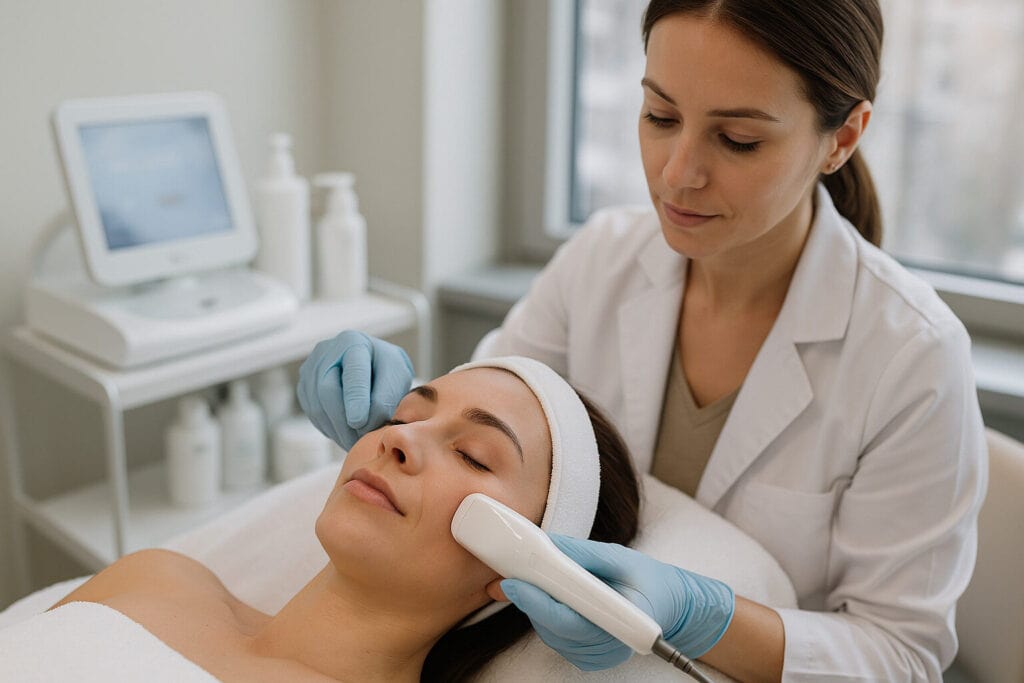
Which Treatment Should a Med Spa Advertise First?
Lead with neurotoxin in your medspa ads. Wrinkle-relaxing injections (Botox Cosmetic, Dysport, Xeomin, Jeuveau, and Daxxify, all FDA-approved prescription botulinum toxin products) are the most common first purchase: low price point, short appointment, little downtime, and a built-in reason to return. FDA-approved labeling for these products sets retreatment no more often than every three months, which gives you a natural rebooking calendar.
From there, the treatment ladder usually runs like this:
- Neurotoxin: the entry visit and the recurring anchor.
- Dermal fillers: often discussed at a neurotoxin follow-up, once the patient trusts the injector.
- Skin treatments: chemical peels, microneedling, and facials that fill the months between injections.
- Laser packages: laser hair removal and resurfacing sold as multi-session series, the highest-ticket step for many clinics.
Put acquisition spend on step one and let email, the consult, and the treatment plan move patients up. Selling a laser package to a stranger is the hardest possible sale.
Consult-to-Treatment: Where Most Leads Are Lost
Most lost revenue sits between the form fill and the chair, not in the ad account. A potential client who waits hours for a callback has usually booked elsewhere.
- Speed to lead: call or text new inquiries within minutes, and route after-hours ones to online booking.
- Booking software as a sales tool: platforms such as Boulevard, Zenoti, or Aesthetic Record should show live availability, take consult deposits, and send reminders.
- A front desk script: every caller hears the same three things: who the provider is, what a consult includes, and the next open time.
- Source tracking: tag each booking by channel to see which campaigns create treated patients, not just calls.
If ad leads are cheap but booked consults stay flat, fix intake before raising the budget.
Memberships and Manufacturer Loyalty Programs
Two kinds of programs keep patients coming back. Manufacturer programs, such as Allergan Aesthetics’ Allē, Evolus Rewards for Jeuveau, and Galderma’s ASPIRE, give patients points or savings on that brand’s products and cost the practice little to promote. An in-house membership, typically a monthly fee credited toward treatments, ties the patient to your clinic instead of to a product any competitor can inject.
Manufacturer rewards belong at checkout and in follow-up emails. Your membership deserves its own landing page stating what the fee covers and how to cancel. Pair it with a referral program that credits the member when a friend books, and you get warm, qualified leads with zero ad spend.
Before-and-After Photos, Reviews, and Pricing Claims: The Rules
Medical spa advertising sits closer to healthcare than retail, so four sets of rules shape what you can publish.
| Content | Who sets the rule | Safe practice |
|---|---|---|
| Patient photos | HHS (HIPAA Privacy Rule) | Signed written authorization before any marketing use |
| Testimonials and results | FTC Endorsement Guides | Show typical outcomes or state what patients generally get |
| Online reviews | FTC rule on reviews (2024) | No paid, fake, or staff-written reviews; never suppress bad ones |
| Ads with before-and-after images | Meta and Google ad policies | Expect restrictions; keep galleries on your own site |
Under the HIPAA Privacy Rule, a recognizable patient photo is protected health information, and HHS guidance on marketing requires the patient’s written authorization before it appears in marketing.
The rule that actually governs patient stories is the FTC’s Endorsement Guides, and the part clinics most often misread is the disclaimer. “Results may vary” does not cover an exceptional result. If the featured testimonial isn’t what patients generally experience, the FTC expects the ad to say clearly what they can generally expect. Pricing works the same way: a per-unit neurotoxin price is fine, but a promo the clinic won’t honor at the consult is a deceptive offer, and state medical boards may have their own advertising rules on top.
Medical Director and Injector Credentials Build Trust
Prospective patients are deciding who will put a needle in their face. Name the supervising physician, list each injector’s license (RN, NP, PA, or MD), and say which products you use. The FDA has warned consumers about counterfeit and mishandled botulinum toxin, so stating that you buy FDA-approved product through authorized distribution is a real reassurance, not filler.
Put it on every treatment page, not only an About page. Bios with headshots and training give hesitant prospects a reason to pick you over the cheaper clinic down the road.
How Medical Spa Marketing Works in Search, by Treatment
People search by treatment and town: “lip filler near me,” “laser hair removal [city],” “Botox deals.” Each core treatment needs its own page covering who it suits, downtime, the provider, and pricing, plus a complete Google Business Profile and steady online reviews on Google, RealSelf, and Yelp. That’s the base of your online presence in search engine results, and a sound SEO strategy adds structured data and content that answers real patient questions.
Paid search is faster but has traps. Google Ads restricts prescription drug terms under its healthcare policy, so brand names in ad text can trigger disapprovals or limited serving, and many clinics write around them with “wrinkle relaxer” or “neurotoxin injections.” Give each treatment its own campaign and landing page, and add a negative keyword list to screen out jobs, training, and DIY searches. Meta ads for cosmetic procedures must target adults 18 and older and are limited on before-and-after imagery.
Email, Social, and Referrals Between Visits
Retention channels cost little and move patients up the ladder. Email marketing should follow the treatment calendar: a care tip the day after, a rebooking reminder around the three-month mark, and a filler or skin offer once the patient is a regular. Segment by treatment history rather than sending one newsletter to everyone.
On Instagram and Facebook, show injectors, the treatment room, and short educational Reels. That builds brand awareness without leaning on restricted before-and-after images.
Services BuyerGain Offers Medical Spas
BuyerGain is a digital marketing agency and growth partner. Our strategies are data-driven, aligned with best practices in the med spa industry, tailored to your goals, and handled under one roof.
Med Spa SEO
We optimize your site structure, content, and technical setup for local discovery and national visibility, so more of the right people find your practice. Want to see where you stand? Request a free SEO audit today.
Clinic Advertising
Managed campaigns on Google, Instagram, and Facebook, including PPC, retargeting, and display, built around data and performance so your budget goes further.
Aesthetic Practice Lead Generation
Landing pages, conversion-focused content, and targeting that reach people at every stage, from browsing to ready to book.
Clinic CRM
Automated reminders, lead flow management, and tracking from first click to final appointment, with custom workflows and real-time reporting that keep your front desk sharp.
Aesthetic Practice Consultant
We audit your current operations, uncover missed opportunities, and help refine your systems, whether you’re launching a new practice or scaling an existing one.
Virtual Receptionist
Our AI-powered virtual receptionist answers calls 24/7, qualifies leads, and books appointments, giving busy clinics professional coverage without adding payroll.
AI-Powered Website Chat
An intelligent chatbot answers questions, guides visitors through treatment options, and collects their details around the clock. Why choose an AI receptionist?
- Instant lead response
- Filters out low-quality leads
- Auto-booking capabilities
- Customized scripts for your practice
- 24/7 engagement, without hiring costs
Stop Losing Leads and Start Converting More Calls! Ready to upgrade your client experience? Let’s talk.
Opening a New Medical Spa: What to Set Up Before Launch
To attract new patients from day one, a new aesthetic clinic needs provider bios, treatment pages, a booking system with deposits, review requests at checkout, and an email sequence for first-time neurotoxin patients before the first ad runs. Other service businesses face similar launch problems; our massage therapist promotion guide shows how, and the industries we serve page covers more.
Start your medical spa marketing with one treatment, one landing page, and a front desk that answers within minutes. Once consults reliably become treatment plans, add a membership and widen the budget. If you’d rather hand those marketing efforts to a team, talk to BuyerGain.
Medical Spa Marketing FAQ
How do you market a medical spa?
Good med spa marketing advertises one entry treatment, usually neurotoxin, to local searchers, then converts and keeps those patients through fast follow-up, consults that end in a treatment plan, credentialed provider pages, and memberships.
What is the best advertising for med spas?
Google search ads and Google Business Profile visibility usually reach people with the highest intent, because they’re searching for a treatment in their town. Meta ads build awareness but limit before-and-after images. Referral offers remain the cheapest source of new patients.
How much do med spas spend on marketing?
A common rule is 5-10% of monthly revenue for promotional activities, covering search optimization, paid advertising, software like a CRM, and periodic website updates. Track spend against treated patients, not just leads.
Can a med spa post before-and-after photos?
Yes, with the patient’s signed written authorization, because recognizable photos are protected health information under HIPAA. Per FTC guidance, they should reflect results patients generally get, and paid social ads may still restrict them.